The treatment of anemia in patients recovering from surgery or managing chronic illness has undergone a remarkable transformation over the past four decades. Central to this evolution has been the shift from an older generation of therapies to a more targeted, physiological approach. This article explores how recombinant human erythropoietin (EPO) came to replace oxymetholone—commonly known by brand names such as Anadrol and Anapolon—as a preferred treatment for anemia in clinical settings, and how this transition represents a significant advancement in patient care.
Understanding Anemia in the Clinical Context
Anemia, a condition characterized by a deficiency in red blood cells or hemoglobin, is a common challenge for patients recovering from surgery, undergoing chemotherapy, or managing chronic diseases such as kidney failure. The condition can severely impact a patient’s quality of life, causing fatigue, weakness, shortness of breath, and delayed recovery from illness or surgical procedures.
For decades, physicians had limited options to address anemia effectively. When patients failed to respond to simple interventions like iron supplementation or blood transfusions, clinicians often turned to more potent pharmacological solutions. Among these, oxymetholone emerged as a powerful but imperfect tool.
Oxymetholone: The Previous Standard
Oxymetholone, a synthetic anabolic steroid, was developed in the 1960s and gained approval for the treatment of certain types of anemia. As a derivative of testosterone, it works by stimulating the bone marrow to produce more red blood cells through a mechanism involving increased erythropoietin production and direct effects on hematopoietic stem cells.
Clinical Applications
Oxymetholone was primarily indicated for the treatment of anemias caused by deficient red blood cell production, including aplastic anemia, myelofibrosis, and anemias associated with bone marrow failure. For patients with these conditions, oxymetholone represented one of the few pharmacological options available before the advent of recombinant EPO.
Limitations and Challenges
Despite its effectiveness, oxymetholone came with significant considerations. As an anabolic steroid, it produced androgenic effects that were particularly pronounced in female patients, including virilization, menstrual irregularities, and deepening of the voice. Additional challenges included:
-
Hepatotoxicity, with potential for liver damage and dysfunction
-
Alterations in lipid profiles
-
Fluid retention
-
Androgenic side effects such as acne and hirsutism
-
The need for careful monitoring of liver function
These limitations encouraged researchers to continue searching for more targeted approaches to anemia management.
The Arrival of Recombinant EPO
A scientific breakthrough occurred in the 1980s with the successful cloning of the human erythropoietin gene and the subsequent development of recombinant human erythropoietin. This achievement enabled the production of a synthetic version of the body’s natural hormone responsible for red blood cell production—a far more targeted approach than the broad hormonal effects of anabolic steroids.
The introduction of recombinant EPO represented a paradigm shift. Rather than using a powerful androgen to indirectly stimulate red blood cell production, clinicians could now directly supplement the body’s natural erythropoietin levels. This targeted mechanism offered several advantages.
Why EPO Became the Preferred Choice
Mechanism of Action
EPO works by binding to erythropoietin receptors on erythroid progenitor cells in the bone marrow, directly stimulating their proliferation and differentiation into mature red blood cells. This mechanism precisely mimics the body’s natural regulatory system, providing a more physiological approach to increasing red blood cell mass.
Advantages Over Oxymetholone
The clinical advantages of EPO over oxymetholone became quickly apparent:
Targeted Effect: EPO acts specifically on red blood cell production, without the broad anabolic and androgenic effects associated with oxymetholone. This means patients receive the therapeutic benefit without the masculinizing side effects that were particularly concerning for female patients.
Improved Safety Profile: EPO does not carry the hepatotoxicity risk associated with oxymetholone. Patients can receive EPO therapy without the need for intensive liver function monitoring, simplifying clinical management.
Predictable Response: EPO therapy produces a predictable, dose-dependent increase in hemoglobin levels, allowing clinicians to titrate treatment precisely to patient needs. This predictability improves clinical outcomes and helps avoid complications associated with overly rapid increases in red blood cell mass.
Compatibility with Modern Care: EPO can be administered subcutaneously or intravenously, and its effects are well understood in the context of modern surgical and medical protocols. This compatibility has made it an integral part of patient care pathways.
Clinical Applications in Post-Surgical and Medical Care
The adoption of EPO has been particularly significant in several clinical contexts:
Orthopedic and Cardiac Surgery
Patients undergoing major orthopedic procedures such as hip or knee replacement, as well as cardiac surgery, often experience significant blood loss. Preoperative and postoperative EPO administration has been shown to reduce the need for allogeneic blood transfusions, with associated benefits including:
-
Reduced transfusion-related risks
-
Faster recovery of hemoglobin levels
-
Improved postoperative energy and mobility
-
Shorter hospital stays in some patient populations
Chronic Kidney Disease
Perhaps the most transformative application has been in patients with chronic kidney disease, whose kidneys no longer produce adequate amounts of natural erythropoietin. Before the availability of recombinant EPO, these patients frequently suffered from severe, debilitating anemia requiring frequent blood transfusions. EPO therapy has fundamentally changed the standard of care, allowing patients to maintain normal hemoglobin levels and significantly improved quality of life.
Cancer Treatment Support
Patients undergoing chemotherapy often experience anemia as a treatment-related side effect. EPO has become an important supportive care measure in oncology, helping maintain hemoglobin levels and allowing patients to complete their prescribed treatment courses without the additional burden of severe fatigue and weakness.
A Story of Medical Progress
The transition from oxymetholone to EPO in the treatment of anemia reflects a broader narrative of medical advancement: the movement from broader, less targeted therapies to interventions designed around the body’s own regulatory mechanisms. Each step in this journey has been driven by a commitment to improving patient outcomes and reducing treatment burden.
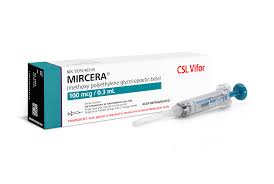
Researchers continue to refine erythropoiesis-stimulating agents, developing formulations with extended durations of action, improved stability, and even more targeted effects. The evolution from the first-generation epoetins to longer-acting agents like darbepoetin alfa and continuous erythropoietin receptor activators (CERA) represents the ongoing commitment to innovation in this field.
Conclusion
The replacement of oxymetholone with recombinant EPO for the treatment of anemia in post-surgical and medically compromised patients stands as a testament to the power of scientific progress. Where patients once faced the limitations of broad-spectrum anabolic steroid therapy, clinicians now have access to a precisely targeted intervention that mimics the body’s natural regulatory system.
This evolution has brought meaningful improvements in patient care: more predictable outcomes, fewer concerns about side effects, and better integration with modern surgical and medical protocols. The story of EPO is ultimately one of progress—of researchers building on fundamental biological understanding to create better tools for patient care, and of clinicians applying these tools to help patients recover more effectively and live fuller lives.
As medical science continues to advance, the principles that guided this transition—targeted intervention, improved safety profiles, and patient-centered outcomes—remain at the forefront of therapeutic innovation.
You can buy EPO Erythropoetin at www.RasputinShop.com prescription-free.