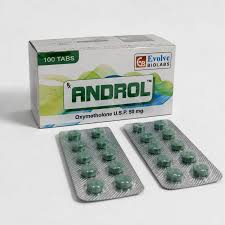
 The core difference between oxymetholone and erythropoietin (EPO) in raising hematocrit lies in their mechanisms of action, onset speed, and source of effect. EPO directly and specifically stimulates erythroid progenitor cells to differentiate and mature, with a rapid and pronounced effect; oxymetholone, on the other hand, is an anabolic steroid that elevates hematocrit indirectly, likely through increasing endogenous EPO levels or improving the bone marrow microenvironment, with a slower and more variable response.
Mechanism of Action: Direct Stimulation vs. Indirect Regulation
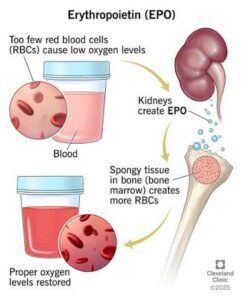
Erythropoietin (EPO) is a glycoprotein hormone that acts directly on erythroid progenitor cells in the bone marrow. Its physiological function is to bind to receptors on the surface of erythroid burst-forming units (BFU-E) and colony-forming units (CFU-E), promoting their proliferation, differentiation, and maturation into red blood cells. When tissue hypoxia occurs, the kidneys increase EPO secretion, which can rise up to 100-fold or more, thereby accelerating red blood cell production. Recombinant human erythropoietin (r-HuEPO) directly supplements this deficiency and rapidly corrects anemia, with a clear dose-dependent effect.
Oxymetholone belongs to the 17α-alkylated anabolic androgenic steroids. Its mechanism for raising hematocrit is not yet fully elucidated, but evidence suggests it does not directly stimulate erythroid cells. An in vitro study using fetal mouse liver cell cultures found that oxymetholone had no direct promoting effect on endogenous or EPO-mediated heme synthesis, nor did it increase the proportion of EPO-responsive cells. The study authors speculated that its clinical efficacy in aplastic anemia may stem from increasing endogenous EPO levels or reducing ineffective hematopoiesis, rather than direct action on erythroid progenitors. This means oxymetholone’s effect is indirect—it may improve the bone marrow’s response environment, allowing residual hematopoietic stem cells to respond better to endogenous EPO.
Onset Speed and Magnitude
EPO has a rapid onset. Classic studies have shown that in hemodialysis patients, intravenous recombinant human EPO at 500 U/kg can produce a hematocrit increase of up to 10 percentage points within 3 weeks, with dose-dependent increases in effective erythropoiesis. In cancer patients, EPO also significantly increases hemoglobin and reduces transfusion requirements after the first month of treatment. This rapid response is determined by its direct stimulation of erythroid progenitors.
Oxymetholone’s onset is slower, with significant individual variation. A study of 69 cases of aplastic anemia treated with oxymetholone showed that among responding patients, the time for hemoglobin to begin rising had a median of 2 months, with a range of 0.5 to 6 months; the rise in reticulocytes typically preceded the hemoglobin increase, with a maximum reticulocyte count of only 13.2%. Another case report of an adult male with aplastic anemia treated with anabolic steroids showed that it took approximately 2 months for reticulocytes to begin rising and about 7 months to reach complete remission. This slow onset reflects its indirect mechanism—it requires time to alter the bone marrow microenvironment or endogenous regulatory factors.
Clinical Efficacy and Predictability
EPO has high predictability and dose-dependence. In chronic kidney disease patients, EPO doses of 75-150 IU/kg/week can maintain hematocrit at 36-38% for up to 6 months. Response rates are relatively reliable, especially in anemia caused by relative EPO deficiency (such as renal anemia), where efficacy is most definitive.
Oxymetholone’s efficacy is less predictable. In the aforementioned aplastic anemia study, the overall remission rate (defined as hemoglobin persistently rising above 12 g/dL for females or 13 g/dL for males) was 47.9% (33/69); if early deaths and those who had not received adequate treatment were excluded, the remission rate rose to 70% (33/47). However, 6 of the 14 patients who failed treatment received doses below 1.0 mg/kg/day, suggesting that dose may affect response. Some patients may take more than 6 months to respond, and relapse may occur after discontinuation.
Safety and Side Effect Profiles
EPO’s primary risks are related to overly rapid or excessive elevation of hematocrit. Rapid hematocrit increase can lead to hypertension, thrombotic complications, and seizures. Clinical studies have observed increased mortality and serious cardiovascular events when EPO was used to target hemoglobin above 12 g/dL. Therefore, EPO requires close monitoring of hematocrit and blood pressure during use.
Oxymetholone’s side effects are primarily androgenic and hepatic. As a 17α-alkylated steroid, it has potential hepatotoxicity, and liver function should be monitored during use. Androgenic effects include acne, hirsutism, voice deepening, and menstrual disorders, which are generally reversible after discontinuation. Additionally, oxymetholone may cause fluid retention and blood pressure elevation. Its use in aplastic anemia is typically a long-term, slow-acting regimen, requiring ongoing monitoring of hepatic function and androgenic effects.
Summary Comparison
| Feature | Erythropoietin (EPO) | Oxymetholone |
|---|---|---|
| Mechanism | Directly stimulates erythroid progenitor proliferation and differentiation | Indirect; possibly increases endogenous EPO or improves bone marrow microenvironment |
| Onset Speed | Rapid (hematocrit can rise 10 percentage points within 3 weeks) | Slow (median 2 months, up to 6 months) |
| Efficacy Predictability | High, dose-dependent | Moderate, with individual variation |
| Primary Risks | Hypertension, thrombosis, seizures (related to rapid hematocrit rise) | Hepatotoxicity, androgenic effects, fluid retention |
| Typical Use | Renal anemia, anemia of chronic disease | Aplastic anemia, refractory anemia |
In short, EPO is a “direct executor”—it directly instructs the bone marrow to produce red blood cells, with fast and reliable results; oxymetholone is an “indirect regulator”—it raises hematocrit by altering the body’s internal environment, with a slow and variable response. The choice between them depends on the specific clinical context and the patient’s underlying condition; this question does not involve specific medical advice.
You can buy EPO-erythropoietine at www.rasputinshop.com prescription-free
You can buy oxymetholone (anadrol) at 24hoursppc.org without prescription